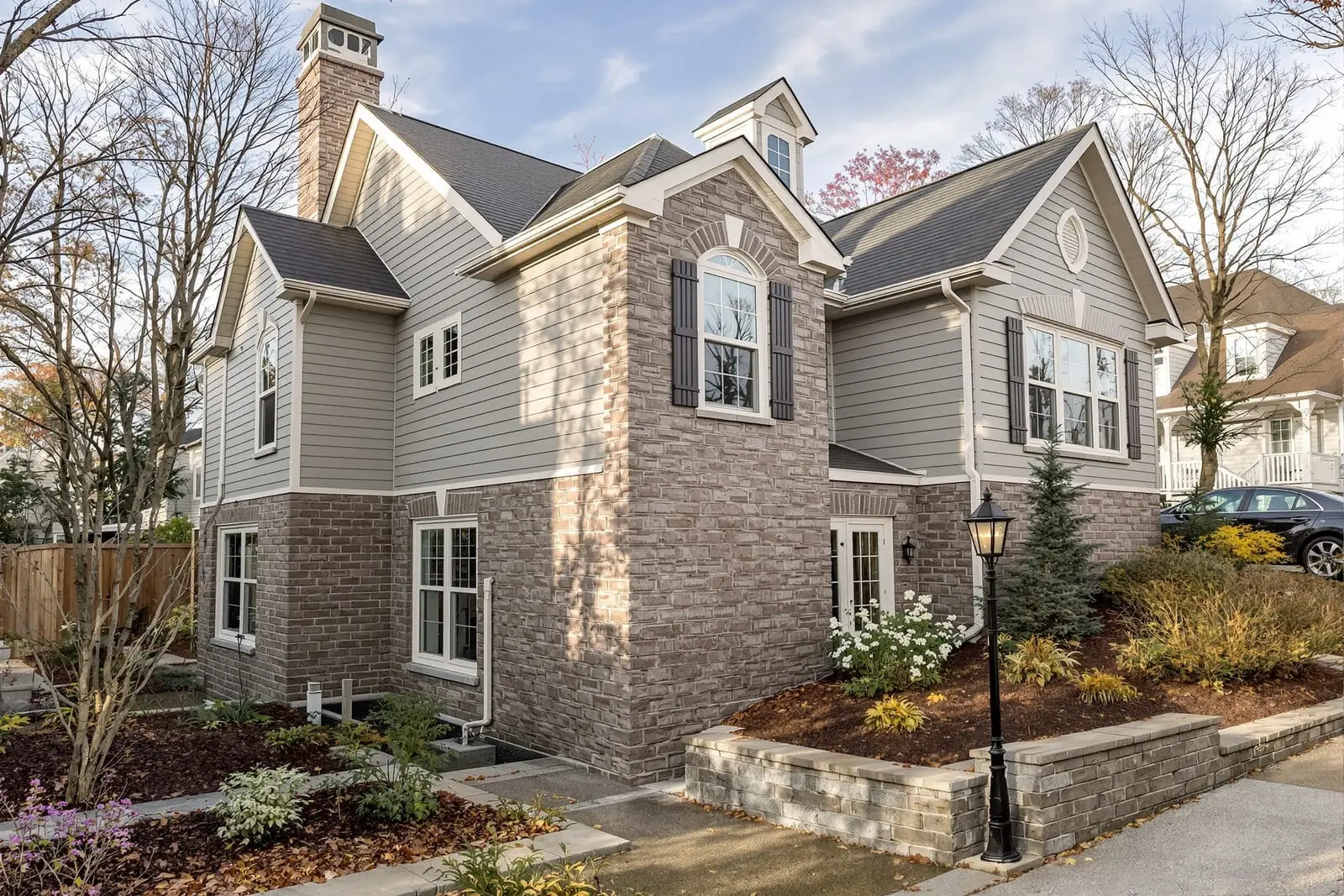
We handle foundation and basement masonry in Kansas City, MO to keep your home stable and dry. Our team repairs cracked or bowing block walls, installs new foundation walls, and addresses moisture issues that damage masonry. With careful assessment and proven repair methods, we help extend the life of your foundation structure.
Vanguard Masonry Kansas City provides professional foundation masonry repair throughout Kansas City, MO and the surrounding area. Our licensed, insured crew delivers safe, clean, on-time work with a free estimate before anything begins. Call (816) 608-6824 or request your free quote.
Foundation and basement masonry for Kansas City homes
Kansas City homes deal with a unique mix of clay-heavy soils, wide temperature swings, and seasonal moisture. All of these put stress on your foundation and basement walls. Vanguard Masonry Kansas City specializes in foundation masonry repair that addresses the specific conditions we see from Liberty to Olathe and across the metro.
Instead of quick cosmetic patches, we evaluate the entire structure. We look at how the footing, wall, slab, and drainage system work together, then design a repair that restores strength and controls water. Whether you have a 1920s stone basement in Midtown or a newer concrete block foundation in the Northland, we match methods and materials to the actual structure you own.
Our team focuses on durable repairs that fit the age of the home, soil conditions, and your plans for the space, such as finishing the basement later or adding an egress window. Every step is built around long-term performance, not short-term patches.
How we inspect your foundation and basement walls
A solid foundation masonry repair starts with a disciplined inspection. When Vanguard Masonry Kansas City comes to your property, we first walk the exterior to look for step cracking in brick or block, gaps at windows and doors, and changes in grading that might be pushing water toward the house.
Inside, we map every visible crack, bow, and moisture mark on your basement walls. We note whether cracks are vertical, diagonal, or horizontal, because each pattern points to a different underlying cause. For example, a horizontal crack in a block wall in Kansas City often means clay soil is expanding and pushing in on the wall, especially after wet springs.
We use a laser level or digital level to check floor and wall movement. In some cases, we drill small test holes in mortar joints or core sample block cells to confirm hollow or filled conditions. Where water intrusion is an issue, we may perform a simple flood test at the perimeter or use moisture meters to see how far water has traveled behind finishes.
By combining visual signs with measurement and moisture data, we can separate normal settlement from serious structural movement and then decide whether you need reinforcement, rebuilding, or targeted crack repair.
Common Kansas City foundation problems we repair
Across Kansas City, MO, we repeatedly see a few core foundation and basement issues. Clay expansion and contraction causes lateral pressure that bows block walls inward. You might see horizontal cracking around mid-height or stair-step cracking along mortar joints. Water entering through these cracks leads to efflorescence (white powdery deposits) and flaking block faces.
Older stone or brick foundations often have deteriorated lime mortar. This can show up as loose stones, crumbling joints, or small washouts where water has carried mortar away. These walls can usually be saved by proper repointing and selective rebuilding rather than full replacement.
Other frequent issues include corner settling from poor downspout placement, freeze-thaw damage to above-grade foundation brick, and basement floor cracks that telegraph movement in the footing or poor subgrade prep. In many Kansas City neighborhoods, downspouts discharge too close to the house, leading to repeated saturation along one side of the foundation.
For each problem, Vanguard Masonry Kansas City outlines several repair options, from minimal intervention that stabilizes existing movement to more aggressive rebuilding for badly compromised wall sections. We clearly explain what is necessary for safety and what is optional for aesthetics or resale value.
Foundation masonry repair methods and materials
Vanguard Masonry Kansas City tailors foundation masonry repair to your wall type and damage level. For concrete block foundations with bowing or horizontal cracking, we may use a combination of carbon fiber straps, steel reinforcement, and localized rebuilding. Carbon fiber works well when movement is within certain tolerances and the wall is still structurally sound. The straps are epoxied to the wall and tied into the sill plate and footing to prevent further inward movement.
If a wall is significantly displaced, we may excavate the exterior, relieve soil pressure, and carefully push the wall back toward plumb before reinforcing it. In more severe cases, partial wall replacement is the only practical option. We remove failing sections, pour new footings if needed, and build new reinforced block or poured concrete walls tied into existing structure.
For poured concrete foundations, we often repair cracks using epoxy injection or polyurethane injection. Epoxy is used when structural bonding is needed. Polyurethane is used when the primary issue is water leakage. We clean and open the crack, install injection ports, seal the surface, then pressure inject the chosen resin to fill the full depth of the crack.
Historic brick or stone foundations are handled differently. We repoint using mortar that matches the original in strength and breathability, rather than using modern high-strength mortar that can damage soft brick or stone. Where stones or bricks have shifted, we reset them on a stable base and may add discreet interior buttresses or anchors to share loads without altering the historic appearance.
Basement waterproofing and drainage tied to masonry work
Most foundation masonry repairs fail prematurely if water control is ignored. In Kansas City, where spring storms and sudden downpours are common, managing water is as important as repairing the wall itself. Vanguard Masonry Kansas City always evaluates drainage as part of any foundation masonry repair project.
Depending on your situation, we may recommend exterior grading corrections so soil slopes away from the house at least 6 inches over the first 10 feet. We often extend or reroute downspouts to discharge well away from the foundation or to underground drain lines that daylight at a lower point on the property.
On the interior, we can integrate a perimeter drain at the base of the basement wall, collect water into a sump pit, and pump it away from the home. We install rigid or perforated drain tile, washed stone, and vapor barriers in coordination with wall repairs. Where walls are damp but not leaking, we may use breathable interior coatings rather than trapping moisture with non-permeable paints that can cause blistering and spalling.
Our goal is to relieve pressure on masonry, keep basements dry enough for storage or finishing, and align waterproofing details with the way your specific wall was built so you are not forcing moisture into unintended paths.
Cost factors and timing for Kansas City foundation work
Foundation masonry repair costs vary widely, and we believe homeowners should know exactly what drives pricing. The main factors are wall length and height, severity of movement, need for excavation, access to the work area, and whether drainage or waterproofing must be added or corrected.
For example, stabilizing a mildly bowed block wall from the interior with carbon fiber straps is usually less expensive than excavating the exterior and rebuilding several courses of masonry. However, if soil pressure and drainage issues are not addressed, a lower upfront cost can lead to higher long-term expense. We help you see that tradeoff clearly.
Access in Kansas City neighborhoods can also add cost. Tight lot lines, decks, or driveways built up against foundation walls may require demolition and replacement or specialized shoring and protection. Older basements with limited headroom or finished walls over masonry add labor to reach the actual structure.
In our climate, the best time to schedule exterior foundation masonry repair is typically late spring through early fall. Winter freeze and saturated ground can complicate excavation and curing. Interior-only repairs and injections can be done year-round. Vanguard Masonry Kansas City plans your project around likely weather patterns and material cure times to minimize risk and disruption.
What to expect when you hire Vanguard Masonry Kansas City
When you call Vanguard Masonry Kansas City, you are working with a team that handles foundation and basement masonry every week, not as an occasional add-on service. We start with a site visit, where we take measurements, photos, and notes, then prepare a written scope that outlines repair methods, materials, and any recommended drainage improvements.
Before work begins, we review the plan with you so you understand which walls are being reinforced or rebuilt, what areas will be excavated, and how long each stage should take. We explain how noise, vibration, and dust will be managed and what access we will need inside and outside your home.
During the job, our crew protects adjacent finishes and landscapes as much as possible, then performs demolition, cleaning, masonry repair, reinforcement, and waterproofing in a logical sequence. We keep you updated on what we find as walls are opened, and if unseen issues appear, such as hidden rot at the sill plate or missing footing sections, we discuss options before proceeding.
At completion, we walk the job with you, point out all repaired areas, and explain any maintenance steps, such as keeping discharge lines clear or avoiding new heavy loads near the edge of newly supported walls. Our goal is that you not only have a stronger foundation but also understand how and why it was repaired the way it was.
“
Professional foundation and basement masonry, done right the first time, quality materials, honest pricing, and results that last.
Vanguard Masonry Kansas City
Foundation and Basement Masonry Across Our Service Area